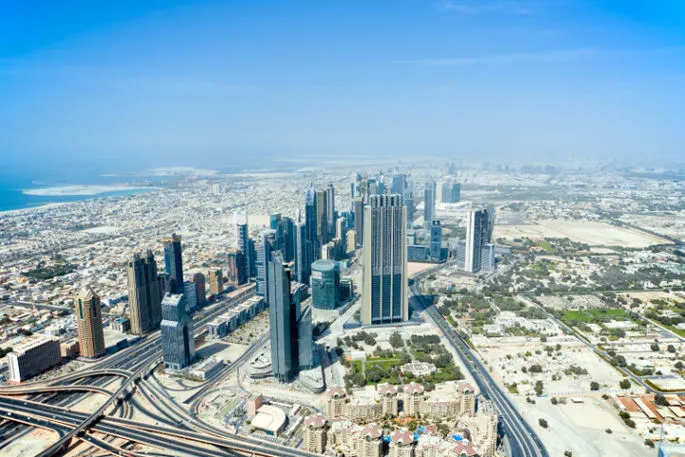
Business setup services in UAE and Dubai skyline
Company Formation Services Dubai

Business Setup Services in UAE

Launch and grow your business in Dubai and across the UAE with expert company formation, licensing, and corporate support from PROXPAT.

Page last updated: . Requirements, government fees and processing times are set by the relevant UAE authority and can change.

PROXPAT is an independent private consultancy and is not affiliated with or endorsed by any UAE government authority. All approvals, government fees and processing times are determined by the relevant UAE authority and are subject to change. For official requirements and fees, see the Ministry of Economy and Tourism.

UAE Business Destination

Build in One of the World’s Leading Commercial Hubs

The UAE is one of the world’s leading business destinations, offering strong infrastructure, strategic global connectivity, modern regulations, international market access, and an investor-friendly environment for entrepreneurs and companies.

Dubai and the wider UAE support mainland and free zone setup options across trading, consulting, technology, healthcare, e-commerce, logistics, tourism, and professional services. PROXPAT helps entrepreneurs, startups, investors, and corporations establish businesses smoothly through the right jurisdiction, license, approvals, documents, and post-setup support.

PROXPAT UAE company formation consultation
Mainland or free zone? PROXPAT helps you select the right route based on activity, ownership, market access, office needs, visas, and growth plans.
Business Setup Highlights

Plan Your UAE Company Formation with Clarity

Mainland & Free Zone Formation
DED & Free Zone Authority Coordination
PRO, Visa & Documentation Support
Dubai, Abu Dhabi, Sharjah & RAK
Business Setup Services

Mainland and Free Zone Company Formation Support

Jurisdiction Planning

Mainland vs Free Zone Company Formation

Access to UAE Local MarketSuitable for businesses that need direct mainland trading and wider customer access.
Government Contracts EligibilityUseful for companies targeting tenders and local institutional opportunities.
Flexible Office OptionsOffice, workspace, and operational structures can be planned around the activity.
Wider Activity SelectionMainland structures may fit broader activities and local commercial models.
100% Foreign OwnershipFree zones are popular for international founders and foreign investors.
Simplified SetupMany free zones offer streamlined packages, digital processing, and flexible workspaces.
Industry-Focused EcosystemsChoose ecosystems for commodities, media, services, consultancy, technology, or trade.
International Business AdvantagesIdeal for cross-border services, regional operations, e-commerce, and holding structures.
Not sure which option is best? Contact PROXPAT
Free Zone Spotlight

Popular UAE Free Zone Setup Options

DMCC logo

DMCC

A leading Dubai free zone for commodities, trading, consulting, services, crypto-related activities where eligible, and international business operations.

  • Strong Dubai address
  • Mature business community
  • Suitable for trading and services
Learn More about DMCC Company Formation Dubai
Meydan Free Zone logo

Meydan Free Zone

A modern Dubai free zone option for startups, consultants, e-commerce businesses, service providers, and entrepreneurs seeking a Dubai base.

  • Dubai location
  • Digital-first setup
  • Flexible license packages
Learn More about Meydan Free Zone Company Formation
IFZA logo

IFZA

A flexible option for entrepreneurs, consulting firms, service companies, trading businesses, and international startups seeking efficient formation.

  • Cost-effective packages
  • Wide activity selection
  • Good startup fit
Learn More about IFZA Company Formation Dubai
RAKEZ logo

RAKEZ

A Ras Al Khaimah free zone for trading, manufacturing, services, industrial, and cost-conscious companies seeking flexible UAE operations.

  • Competitive setup options
  • Industrial and commercial support
  • RAK business base
Learn More about RAKEZ Company Formation UAE
Setup Roadmap

Business Setup Process Timeline

  1. Consultation

    Understand your business model, ownership needs, budget, activity, visas, and target market.

  2. Business Activity Selection

    Choose the right activity for your license, approvals, banking, and operational plan.

  3. Trade Name Reservation

    Reserve a compliant trade name aligned with UAE authority requirements.

  4. Initial Approval

    Coordinate initial approvals before documentation, tenancy, or further authority steps.

  5. Documentation & Agreements

    Prepare shareholder documents, forms, approvals, MOA, lease, or free zone applications.

  6. License Issuance

    Submit and coordinate license issuance with the relevant mainland or free zone authority.

  7. Visa & Immigration Services

    Support establishment card, investor visa, employee visas, Emirates ID, medical, and biometrics.

  8. Bank Account & Operational Support

    Help organize post-license steps such as banking preparation, renewals, and ongoing PRO support.

Why PROXPAT

Business Setup Support Built for UAE Growth

UAE Market ExpertisePractical knowledge of mainland, free zone, PRO, licensing, and regulated sector requirements.
End-to-End SupportFrom consultation and license issuance to visas, documentation, renewals, and operational guidance.
Authority CoordinationSupport across business licensing, external approvals, free zones, immigration, and documentation routes.
Transparent ProcessClear steps, document checklists, timelines, and updates from start to finish.
Fast Documentation SupportOrganized handling of forms, IDs, approvals, translations, attestations, and applications.
Business Growth GuidanceStructure your license and jurisdiction with future hiring, banking, expansion, and compliance in mind.
Industries We Support

Company Formation Across Key UAE Sectors

Digital Marketing & Media
Healthcare
E-commerce
IT & Technology
Consultancy
Trading
Real Estate
Logistics
Education
Tourism
Tax

UAE Corporate Tax and VAT: What a New Company Should Know

The UAE is often described as tax-free. That was broadly true of company profits for a long time, but it is no longer the full picture, and getting this wrong at setup is expensive to unwind later.

Corporate tax

Federal corporate tax applies to business profits, with a nil rate on taxable income up to a threshold and a headline rate above it. Free zone companies can qualify for a preferential rate on income that meets the "qualifying income" conditions, but this is not automatic — it depends on the activity, on where the customer sits, and on the company meeting substance requirements in the free zone. A company that assumes it qualifies without checking can find the position reversed on review.

Registration for corporate tax is a separate step from getting the trade licence, and it applies to free zone companies as well as mainland ones, including those that end up paying nothing.

Value added tax

VAT applies to most goods and services. Registration becomes mandatory once taxable supplies pass the registration threshold over a twelve-month period, and voluntary registration is possible from a lower threshold. Some activities are zero-rated or exempt, and exports outside the GCC are treated differently from domestic supplies.

What this means at setup

Activity selection and jurisdiction are not only licensing decisions — they shape the tax position too. Choosing an activity that does not match what the business actually does, or picking a free zone without checking the substance requirements, creates a problem that surfaces at the first filing rather than at incorporation.

Please note: corporate tax rates, VAT thresholds, qualifying-income conditions and filing deadlines are set by the UAE Federal Tax Authority and Ministry of Finance and are updated from time to time. Confirm the current position for your activity before you rely on it. PROXPAT coordinates licensing and documentation; formal tax advice should come from a registered tax agent.

Banking

Opening a Corporate Bank Account in the UAE

This is the stage that catches most new companies out. The trade licence is issued in days; the bank account can take considerably longer, and it is the bank — not the licensing authority — that decides.

What banks look at

UAE banks apply their own compliance checks on top of the licensing process. They typically want to understand the ownership structure through to the ultimate beneficial owner, the nature of the business and where its customers and suppliers are, the source of the funds being deposited, and whether the company has real operations in the country. Supporting material such as contracts, invoices or a business plan is commonly requested.

Why some applications stall

Applications tend to slow down where the activity on the licence does not obviously match what the company describes, where the shareholding runs through several offshore layers, where there is no local office or staff presence, or where the sector is treated as higher risk by the bank's own policy. None of these are refusals in themselves, but each one adds review time.

Preparing properly

A clean, consistent file matters more than volume. The licence, establishment card, shareholder passports and Emirates IDs, proof of address, and a clear written explanation of the business model should all tell the same story. Where the manager or shareholder holds a UAE residence visa, the process is usually more straightforward.

Account opening is at each bank's discretion and their requirements differ. PROXPAT prepares and coordinates the documentation; approval and timelines rest with the bank.

Visas & Office

Residence Visas and Office Requirements

Residence visa through your own company

Once a company is licensed, it can sponsor residence visas — for the owner or partner, for employees, and in turn for dependants such as a spouse, children or parents, subject to the conditions that apply to each category. The visa runs through the same stages as any UAE employment visa: entry permit, medical fitness test, Emirates ID biometrics, and stamping.

How many visas a licence allows is not unlimited. In free zones the allocation is usually tied to the package and the workspace taken; on the mainland it is linked to the office space and the activity.

Do you need physical office space?

It depends on the jurisdiction and on how many visas you need. Many free zones offer flexi-desk or shared-desk options that satisfy the licensing requirement for a small visa allocation, with a dedicated office needed only as the team grows. Mainland companies generally need a tenancy contract registered with the relevant authority, and the size of that space affects the visa quota.

Emiratisation

Mainland companies above a defined headcount fall under Emiratisation requirements administered by MOHRE, which set targets for employing UAE nationals in skilled roles, with penalties for shortfalls. The thresholds and targets have been extended over successive phases, so a company that is out of scope today may come into scope as it grows. Free zone companies are treated differently.

Visa quotas, office requirements and Emiratisation thresholds are set by the relevant authority and change periodically. Confirm the current rules for your jurisdiction and headcount before planning around them.

Structures

Company Structures Available in the UAE

The licence type is only half the decision. The legal structure underneath it determines who can own the company, who is liable, and what the business can do later without restructuring.

Limited liability company

The most common mainland structure. Liability is limited to the capital contributed, and it can trade anywhere in the UAE and take on government contracts. Since the ownership reforms, most commercial and industrial activities permit full foreign ownership, though a defined list of strategic activities still carries local participation requirements.

Sole establishment

Owned by one individual, usually for professional or service activities. It is simpler to run, but the owner carries unlimited personal liability, which is the trade-off against the lower setup requirements.

Free zone company

Incorporated under a free zone authority rather than the emirate's economic department, in either single-shareholder or multi-shareholder form. Full foreign ownership is standard. Trading directly into the UAE domestic market normally requires a mainland distributor or a dual licence, which is the point most founders discover late.

Branch of an existing company

A foreign or UAE parent can register a branch instead of forming a new entity. The branch is not a separate legal person — the parent remains liable — and it is limited to activities that mirror the parent's own. This suits established companies entering the market rather than new ventures.

Holding company

Used to own shares in other companies, property or intellectual property rather than to trade. Holding structures are available in several free zones and on the mainland, and are commonly used to separate assets from operating risk.

Ongoing Compliance

After the Licence: What a UAE Company Must Keep Up

Incorporation is the start, not the finish. Most of the penalties companies run into come from obligations that continue after the licence is issued, and which nobody flagged at setup.

Trade licence renewal

Licences are issued for a fixed term and must be renewed before expiry. Renewal generally requires a valid tenancy or workspace arrangement and settlement of any outstanding fees. Letting a licence lapse can block visa transactions and attract penalties, and a long lapse can require reinstatement rather than simple renewal.

Ultimate beneficial owner register

Companies are required to maintain a register of shareholders and of the ultimate beneficial owners behind them, and to file it with the licensing authority. Changes in ownership must be reported within the period the regulations allow.

Anti-money-laundering registration

Certain non-financial sectors — including real estate brokerage, dealers in precious metals and stones, corporate service providers, and auditors — are designated businesses for AML purposes and must register on the national reporting platform and maintain internal controls. Whether this applies depends on the activities on the licence.

Accounting records and audit

Companies are expected to keep proper books. Many free zones require audited financial statements as a condition of licence renewal, and audited accounts also support corporate tax filings and bank reviews. Requirements vary between jurisdictions.

Corporate tax registration and filing

Corporate tax registration is a separate obligation from licensing and applies whether or not tax is ultimately payable. Returns are filed for each tax period within the deadline set by the authority, and late registration or filing carries administrative penalties.

Employee-related obligations

Companies employing staff must register contracts with the labour authority, run payroll through the wage protection system where it applies, maintain the required insurance cover, and keep work permits and residence visas current alongside the licence.

Please note: the thresholds, deadlines and penalties attached to each of these obligations are set by the relevant UAE authority and are revised from time to time. Confirm the current position for your licence and activity rather than relying on general guidance.

Financial Free Zones

DIFC and ADGM: The Financial Free Zones

Dubai International Financial Centre and Abu Dhabi Global Market sit apart from the other free zones. Both operate their own civil and commercial legal framework based on English common law, with their own courts and their own financial regulator, rather than applying onshore UAE civil law.

They are the route for regulated financial activity — asset management, brokerage, banking representative offices, insurance intermediation — and are also used for holding companies, family offices and foundations where the parties want a common-law framework and a familiar court system.

The trade-off is cost and regulatory weight. Licensing is more demanding than in a standard free zone, capital and governance requirements are higher for regulated activities, and ongoing supervision is more intensive. For a trading company or a consultancy with no regulated element, a standard free zone or a mainland licence is usually the more practical choice.

Cost

What Actually Drives the Cost of a UAE Company

Setup costs are quoted as a single headline figure far more often than they should be, because the real number depends on decisions that have not been made yet at the point the quote is given. These are the variables that move it.

Jurisdiction

Free zones price their own licences and each one sets its own fee schedule, so the same activity can cost materially different amounts across zones. Mainland licensing runs through the emirate's economic department, with fees driven by the activity group and the legal form.

Activity and number of activities

Some activities sit in higher fee bands, and several regulated activities require external approval from a ministry or authority before the licence is issued, each with its own charge. Adding activities to one licence is usually cheaper than holding two licences, but only where the authority permits them to be combined.

Workspace

A flexi-desk package costs a fraction of a leased office, but caps the visa allocation. On the mainland the tenancy contract and its registration are a recurring cost that scales with the space taken.

Visa quota

Each visa carries entry permit, medical, Emirates ID and stamping charges, plus establishment card and, where applicable, deposit or guarantee requirements. A company planning six visas has a different cost profile from one planning one.

Shareholder structure

Corporate shareholders, foreign parent companies and documents issued abroad usually need attestation, legalisation and legal translation, which adds both cost and time compared with an individual shareholder already resident in the UAE.

Recurring versus one-off

The setup figure is not the annual figure. Licence renewal, workspace, visa renewals, accounting and audit, and corporate tax compliance all recur. A jurisdiction that looks cheap at incorporation is not automatically cheap in year two.

PROXPAT does not publish a fixed price for company formation, because a figure quoted before the jurisdiction, activity, workspace and visa count are settled is not a real figure. Tell us what the business will do and how many people it needs to sponsor, and you will get a breakdown against the current published government fees rather than an estimate.

Choosing

How to Choose Between Mainland, Free Zone and Offshore

Most of the advice available online argues for one option in the abstract. The useful question is narrower: what does this specific business need to be able to do?

Start with who your customers are

If the customers are UAE-based businesses, government entities or the general public, a mainland licence lets you invoice and deliver directly. If they are overseas, or other companies inside free zones, a free zone licence covers that without the mainland overhead. Free zone companies can still serve the domestic market, but generally through a mainland distributor, an agent or a dual licence rather than directly.

Then look at the activity

Some activities are only licensed on the mainland; some are only available in particular free zones, which specialise by sector — commodities, media, healthcare, logistics, technology. The activity often narrows the choice before any other consideration does.

Then the people

Count the residence visas the business will need in the first two years, not just at launch. Visa allocation is tied to workspace and package, and it is far easier to choose a licence with headroom than to migrate a company later.

Where offshore fits

Offshore companies are holding and asset-ownership vehicles. They do not carry residence visas and are not licensed to trade inside the UAE. Used for the right purpose — holding shares, owning permitted property, ring-fencing assets — they work well. Used as a cheap way to trade in Dubai, they do not work at all, and this is one of the more common misunderstandings we are asked to correct.

Finally, the compliance load

Mainland companies pick up obligations that free zone companies do not, Emiratisation among them. Free zone companies pick up renewal and audit requirements set by their own authority. Neither is uniformly lighter — they are different, and the right answer depends on the shape of the business.

Documents

Documents Typically Required for UAE Company Formation

Exact requirements are set by the licensing authority and vary by jurisdiction, activity and legal form. In practice, most applications are built from the same core set.

For individual shareholders and managers

Passport copies valid for the required period, passport-size photographs against the specified background, an entry stamp or current UAE visa page where the person is already in the country, and a no-objection certificate from a current sponsor in cases where one applies.

For corporate shareholders

Certificate of incorporation, memorandum and articles of association, a board resolution approving the new entity and appointing a signatory, a certificate of good standing where required, and a power of attorney. Documents issued outside the UAE generally need attestation in the country of origin and legalisation through the UAE mission, followed by legal translation into Arabic.

For the company itself

Reserved trade name approval, initial approval from the licensing authority, the memorandum of association in the form the authority requires, the tenancy or workspace agreement, and external approvals for any regulated activity on the licence.

Where applications lose time

The most common causes of delay are not complexity — they are a passport that expires inside the validity window the authority requires, a trade name that breaches the naming rules, an attestation chain completed in the wrong order, and a translation that does not match the source document. Each is avoidable, and each costs a resubmission cycle.

Please note: document requirements, validity periods and attestation procedures are set by the relevant UAE authority and are revised from time to time. PROXPAT confirms the current checklist against the authority before an application is prepared.

Free Zones

Choosing a Free Zone: What Each Type Actually Suits

There are more than forty free zones across the UAE, and comparing them purely on package price is how most founders end up in the wrong one. The more useful grouping is by what the zone was built for, because that determines which activities it licenses well, what infrastructure it offers, and how the domestic market sees a company registered there.

Trading and commodities zones

DMCC in Jumeirah Lakes Towers is the established base for commodities — precious metals, diamonds, tea, agricultural products — alongside general trading, consultancy and services. It carries a mature business community and a recognised Dubai address, which matters when counterparties are checking who they are dealing with. JAFZA, attached to Jebel Ali Port, is the natural fit where physical goods, warehousing and re-export volume are central, because the port access is the actual product. DAFZA, next to Dubai International Airport, suits high-value and time-sensitive goods that move by air.

Startup, consultancy and e-commerce zones

IFZA and Meydan Free Zone are both used heavily by consultants, service companies, e-commerce operators and early-stage businesses that need a Dubai licence without industrial infrastructure. Both offer wide activity lists and flexible workspace arrangements, which is what keeps the entry cost proportionate for a small team. Sharjah's SHAMS and SPC free zones occupy similar ground at the more cost-conscious end, with SHAMS oriented towards media and creative work.

Technology, media and knowledge zones

Dubai Internet City, Dubai Media City, Dubai Knowledge Park and Dubai Silicon Oasis are built around specific sectors and around clustering — the value is being registered alongside the companies you sell to and hire from. Activity lists are narrower by design, so they work well when the business fits the cluster and poorly when it does not.

Industrial and cost-led zones

RAKEZ in Ras Al Khaimah, Ajman Free Zone and Umm Al Quwain's free zone are used where manufacturing space, warehousing or a lower recurring cost base matter more than a Dubai address. For a light-industrial operation serving the wider region, the economics are materially different from a Dubai zone.

Sector-regulated zones

Dubai Healthcare City for clinical and healthcare businesses, Dubai World Central around Al Maktoum International for aviation and logistics, and the Abu Dhabi zones — KIZAD for industry, twofour54 for media, Masdar City for sustainability and technology — each carry sector regulation on top of the licence. Where the activity is regulated anyway, being inside the matching zone usually simplifies rather than complicates approval.

The questions worth asking before choosing

Does the zone license your exact activity, or only something adjacent to it? What visa allocation comes with the workspace you would realistically take? Does it require audited accounts at renewal? How does the zone handle a dual licence if you later need to serve the mainland market? And what does year two cost, not year one? A zone that answers these well for your business is the right one, regardless of where it sits in a price comparison.

Activity lists, workspace options, visa allocations and fee schedules are set by each free zone authority and are revised from time to time. PROXPAT confirms current terms with the zone before recommending it. See also our free zone company formation overview.

Emirates

Business Setup Across the Seven Emirates

Mainland licensing is handled emirate by emirate, each with its own economic department, its own fee tariff and its own approach. A licence issued in one emirate permits activity across the UAE, but the registered office and the licensing relationship sit where it was issued.

Dubai

Licensed through the Department of Economy and Tourism. The deepest market, the largest concentration of free zones, and the strongest recognition internationally — which also means the highest cost base for office space and the most competition in most sectors. See Dubai mainland company formation for the mainland route specifically.

Abu Dhabi

Licensed through the Abu Dhabi Department of Economic Development. The centre of government, energy and large-scale infrastructure spending, which makes it the natural base for companies whose customers are government entities or major industrial operators. ADGM sits alongside as the common-law financial free zone.

Sharjah

Licensed through the Sharjah Economic Development Department. Lower operating costs than Dubai with immediate proximity to it, and a substantial manufacturing and industrial base. Commonly chosen where the team lives in the northern emirates and the customers are across the region.

Ajman

A cost-led option for small businesses, trading and light manufacturing, with both mainland licensing and a free zone. The economics work best where a Dubai address is not commercially necessary.

Ras Al Khaimah

Strong in industry, manufacturing and building materials, with RAKEZ providing a well-developed free zone alongside mainland licensing. Frequently chosen for operations that need physical space at a sustainable recurring cost.

Fujairah

The UAE's east coast emirate, on the Gulf of Oman rather than the Arabian Gulf. That geography is the point: shipping, bunkering and marine services can operate without transiting the Strait of Hormuz.

Umm Al Quwain

The smallest of the seven, with a free zone aimed at small businesses and consultants where cost is the primary consideration.

How to think about the choice

Where the customers are and where the team will actually live usually settle it. A company selling to Dubai-based businesses generally belongs in Dubai despite the cost; one manufacturing for export rarely does. The mistake worth avoiding is choosing on setup price alone and then paying for the distance every day afterwards.

By Activity

Licensing Notes by Business Activity

The activity on the licence drives almost everything else — which authority approves it, whether external clearance is needed, what the workspace has to look like, and in some cases which jurisdictions are open to you at all. These are the activities we are asked about most, and the point in each where applications tend to go wrong.

E-commerce and online trading

Available on the mainland and in most free zones. The complications are practical rather than regulatory: payment gateway providers apply their own onboarding checks and generally want a bank account first, and selling physical goods into the UAE market from a free zone licence still needs the mainland distribution question answered. Where products are regulated — cosmetics, supplements, medical devices, food — product registration sits on top of the trade licence and is a separate process.

General trading

A general trading licence permits a broad range of goods rather than a narrow list, which is why it costs more than a specific trading licence. It is worth it where the product range is genuinely broad or expected to change; it is wasted where the business will only ever trade two or three categories. Restricted goods remain restricted regardless of the licence.

Consultancy and professional services

Professional licences are generally lighter to set up and often available as a sole establishment or a professional company. The recurring issue is scope: management consultancy, IT consultancy, engineering consultancy and legal consultancy are different activities with different approval requirements, and some require the manager to hold specific qualifications. Describing the business accurately at the activity-selection stage saves an amendment later.

Food and beverage

Among the most approval-heavy activities. Beyond the trade licence, a restaurant or café typically needs municipality food safety approval, premises inspection, kitchen layout approval, food handler certification for staff, and civil defence clearance. The premises drive the timeline more than the licence does, which is why signing a lease before understanding the approval path is a common and expensive mistake.

Construction and contracting

Requires classification and approvals from the municipality and relevant authorities, with categories that determine the scale of project the company can take on. Engineering consultancy and contracting are separate activities with separate requirements, and both usually require qualified, registered engineers on the staff.

Real estate brokerage

In Dubai this runs through RERA under the Dubai Land Department. Brokers need to be individually registered and certified in addition to the company holding the licence, and the activity also falls within the anti-money-laundering framework for designated non-financial businesses, which brings registration and internal control obligations with it.

Logistics, freight and shipping

Freight forwarding, customs clearance and shipping agency are distinct activities. Customs clearance in particular requires customs registration and a customs code, and the free zone chosen matters more here than in most sectors because port and airport access is the operational core rather than a convenience.

Healthcare and medical services

Both the facility and every practitioner in it require licensing by the relevant health authority — DHA in Dubai, DOH in Abu Dhabi, MOHAP in the northern emirates — on top of the commercial licence. Facility licensing covers premises, equipment and staffing, and cannot be shortcut. PROXPAT handles this alongside the company formation rather than as a separate exercise.

Education and training

Training institutes and educational activities are regulated by the relevant education authority, KHDA in Dubai, with approvals covering premises, curriculum and instructor qualifications. The commercial licence alone does not permit delivery.

Financial services

Regulated activity — asset management, brokerage, payments, insurance intermediation — normally runs through DIFC or ADGM and their respective regulators, with capital, governance and compliance requirements that are an order of magnitude beyond a standard trade licence. A standard free zone licence does not authorise regulated financial activity, whatever the activity list appears to allow.

Please note: approval requirements differ by emirate and by jurisdiction and are set by the relevant authority. PROXPAT confirms the current approval path for your specific activity before an application is prepared.


Amendments

Amending a Trade Licence After Setup

Companies change. A partner joins or leaves, the activity shifts, the share structure is restructured, the trade name is updated. Each of those is a licence amendment, and each has to go through the authority that issued the licence rather than being noted internally.

What counts as an amendment

Adding or removing a shareholder or partner, changing the manager, amending the Memorandum of Association, adding or removing business activities, changing the trade name, changing the legal form, and updating the registered address. Amendments that change ownership or the MOA usually need notarisation, and where a shareholder is a company rather than an individual, a board resolution and attested corporate documents as well.

Indicative cost

ItemMainland (DED)Free zone (SHAMS example)
Adding a name to the trade licencearound AED 520around AED 2,200
Amendment of Memorandum of Associationaround AED 3,000Not applicable
Amendment of immigration cardHandled separatelyaround AED 605
Government fees, totalaround AED 3,520around AED 2,805
PROXPAT service feeAED 1,500 + 5% VATAED 1,000 + 5% VAT

Please note: these figures are indicative and rounded. Amendment fees are set by the relevant economic department or free zone authority, differ between free zones, and are revised from time to time. The SHAMS figures are shown as one worked example and should not be applied to another zone. We confirm current fees before proceeding, and government fees are paid at the authority's own cost.

What to sort out before you amend

Amendments frequently touch more than the licence. Adding a shareholder can change the visa quota; changing the activity can bring in an external approval that was not needed before; changing the legal form can affect the ownership rules that apply. It is worth mapping the knock-on effects before submitting, rather than discovering them when the amended licence is issued.

FAQs

Business Setup in UAE Questions

Timing depends on the jurisdiction, activity, approvals, documentation, and visa requirements. Some straightforward setups can move quickly, while regulated activities may require additional authority coordination.

The best option depends on your activity, UAE market access needs, office plan, visa requirements, ownership structure, and budget. PROXPAT can compare both routes for your business model.

Many mainland and free zone structures allow 100% foreign ownership, subject to activity, jurisdiction, and authority requirements.

There is no single best free zone for every company. DMCC, Meydan, IFZA, RAKEZ, and other free zones fit different activities, budgets, locations, and visa needs.

Office requirements depend on jurisdiction, license type, visa allocation, and business activity. Some free zones offer flexible workspace packages, while mainland companies may need tenancy arrangements.

Yes. PROXPAT supports trade licensing, investor and employee visas, Emirates ID, immigration coordination, document preparation, and related PRO services.

Your ability to operate across the UAE depends on your license jurisdiction, activity, customer type, and any required approvals. PROXPAT can help you choose a structure aligned with your operating model.

Cost depends on the jurisdiction you choose, the licence type and the business activities on it, how many residence visas you need, and the office or workspace option attached to the licence. Government fees are set by the relevant authority or free zone and are revised from time to time, so a current quotation should always be confirmed against the authority's own schedule.

They are separate free zones, each with its own authority, activity list, visa allocation rules and office requirements. DMCC is centred on commodities and trade in Jumeirah Lakes Towers; IFZA and Meydan are widely used by consultants, service companies and traders; RAKEZ operates from Ras Al Khaimah and is often chosen for industrial and trading activities. The right one depends on your activity, visa needs and where you want to be based.

A typical file includes passport copies for every shareholder and the manager, passport-style photographs, proposed company names, and the chosen business activities. Depending on the structure and jurisdiction you may also need a No Objection Certificate, proof of address, a board resolution for corporate shareholders, and attested documents. The authority confirms the final list for your application.

Several free zones allow the incorporation steps to be completed remotely, with documents submitted digitally. Later stages such as residence visa medical testing, Emirates ID biometrics and, in most cases, opening a corporate bank account require the applicant to be in the country. Requirements differ by jurisdiction.

The trade name is your company's registered name. It is reserved with the licensing authority before incorporation and must follow UAE naming rules, which restrict religious references, names of countries or governing bodies, and abbreviations of personal names. Submitting more than one option speeds up approval if a first choice is unavailable.

There is no single figure, because the cost is driven by the jurisdiction, the activity, the workspace you take and the number of residence visas you need. Free zones each publish their own fee schedule and mainland licensing runs on the emirate's own tariff, so the same activity can cost quite different amounts depending on where it is licensed. Any quote given before those decisions are made is an estimate rather than a price. Give us the activity and the visa count and you will get a breakdown against current published government fees.

In most cases, yes. Free zone companies have always permitted full foreign ownership, and following the ownership reforms the majority of mainland commercial and industrial activities do as well. A defined list of activities with strategic impact still carries local participation requirements, so the answer depends on the specific activity rather than on mainland versus free zone as a category.

Not for every step. Much of the incorporation process can be completed remotely through a power of attorney, and several free zones allow fully remote registration. You will normally need to attend in person for the residence visa stages, since the medical fitness test and Emirates ID biometrics require your physical presence. Bank account opening also usually involves an in-person meeting.

Not always. Many free zones offer flexi-desk or shared-desk arrangements that satisfy the licensing requirement, and these are commonly used by companies with a small visa allocation. Mainland companies generally need a tenancy contract registered with the relevant authority. In both cases the amount of space affects how many residence visas the licence can support.

Timelines depend on the jurisdiction and on whether the activity needs external approval from a ministry or regulator. A straightforward free zone licence with no external approvals is among the quickest routes; mainland licensing with regulated activities, corporate shareholders or documents requiring attestation from abroad takes longer. Processing times are set by the authority and change, so we confirm the current position before committing to a schedule.

Free zone companies are within the corporate tax regime and must register, but they may qualify for a preferential rate on income that meets the qualifying-income conditions. Qualification is not automatic — it depends on the activity, on where the customer is located, and on the company meeting substance requirements in the zone. Rates, thresholds and conditions are set by the Federal Tax Authority and are updated from time to time, so confirm the current position for your activity.

Not directly, in most cases. A free zone licence covers activity within the zone and outside the UAE. To serve the domestic mainland market, companies normally work through a mainland distributor or agent, or obtain a dual licence where the authority offers one. This is one of the more common surprises for founders who chose a free zone purely on setup cost.

Trade licence is the general term for the permit that allows a company to operate. It is issued in categories — commercial for trading and general commerce, professional for services and consultancy, industrial for manufacturing, and tourism for travel-related activity. The category is determined by the activities on the licence, and it affects the fees, the approvals required and in some cases the permitted legal structure.

The allocation is tied to the workspace and, in free zones, to the package selected. A flexi-desk typically supports a small number, while a leased office supports more, scaling with the area. On the mainland the quota is assessed against the registered tenancy and the activity. It is worth planning for the headcount you expect in two years, because increasing the quota later means changing the workspace arrangement.

It depends on the jurisdiction. Several free zones require audited financial statements as a condition of licence renewal. Beyond any renewal requirement, audited accounts support corporate tax filings and are frequently requested during bank reviews, so keeping proper books from the first year is worth doing regardless of whether an audit is currently mandatory for your licence.

Late renewal attracts penalties that accumulate, and an expired licence blocks related transactions such as visa issuance and renewal. A long lapse can move the company from a simple renewal into a reinstatement process, which is more involved. Renewal generally requires a valid workspace arrangement and settlement of any outstanding amounts, so it is worth starting before the expiry date rather than on it.

Yes. Activities can normally be added, removed or amended through the licensing authority, subject to approval and to any external clearance the new activity requires. Some changes also affect the legal form, the workspace requirement or the visa quota. Where an activity is not available in the jurisdiction you chose, the change may require moving the licence rather than amending it.

The establishment card, sometimes called the immigration card, registers the company with the immigration authority and is what allows it to sponsor residence visas for owners and employees. It is issued after the trade licence and must be kept valid alongside it — visa transactions cannot be processed while it has lapsed.

There is no single best free zone, only the one that fits the business. The questions that settle it are whether the zone licenses your exact activity rather than something adjacent to it, what visa allocation comes with the workspace you would realistically take, whether audited accounts are required at renewal, how the zone handles a dual licence if you later need the mainland market, and what year two costs rather than year one. A zone that answers those well for your business is the right one regardless of where it sits in a price comparison.

We do not name a cheapest zone, because the headline package price is rarely the number that matters. Two zones with similar entry packages can differ substantially once the visa allocation, the workspace required for that allocation, audit requirements at renewal and the recurring annual cost are included. A zone that is cheapest at incorporation and more expensive from year two is a false economy. We compare the total position across the zones that actually license your activity.

For most activities, no. Free zone companies have always allowed full foreign ownership, and following the ownership reforms the majority of mainland commercial and industrial activities do as well. A defined list of activities with strategic impact still carries local participation requirements, and certain professional activities and branches of foreign companies require a local service agent, which is an administrative arrangement rather than an ownership stake.

A local service agent is a UAE national appointed to handle certain government-facing formalities for particular mainland activities and for branches of foreign companies. The agent holds no shares, takes no share of profits and has no say in how the business is run — the arrangement is administrative and set out in a written agreement for an agreed annual fee. Whether one is needed depends on the activity and the legal form.

A dual licence arrangement allows a free zone company to also hold a mainland licence, so it can trade directly in the domestic UAE market without setting up a separate entity. Availability, conditions and the workspace requirements attached to it depend on the free zone and the emirate, so it is worth confirming whether the zone you are considering offers one before committing, rather than discovering the limitation later.

Marketplace onboarding requires a trade licence with an appropriate activity, and the marketplaces apply their own checks on top. The practical issues are that selling physical goods into the UAE market from a free zone licence still needs the mainland distribution question resolved, that payment settlement generally requires a UAE corporate bank account, and that regulated product categories need separate product registration. The licence is the first step rather than the whole answer.

Yes. Selling goods or services commercially requires a valid trade licence with an e-commerce or matching activity, whether the sales happen through your own website, social media or a marketplace. Operating without one is a licensing violation. Where the products are regulated — cosmetics, supplements, food, medical devices — registration of the products themselves is a separate requirement on top of the licence.

Names must not include offensive or religious terms, must not use the name of a country, government body or authority without approval, and must not duplicate or closely resemble an existing registered name. Where a personal name is used it must be the full name of the owner rather than initials or a shortened form, and the legal form abbreviation is normally appended. A rejected trade name is one of the most common early delays, and it is entirely avoidable by checking availability and compliance before the application is filed.

Beyond the trade licence, food and beverage is among the most approval-heavy activities: municipality food safety approval, premises and kitchen layout approval, inspection, food handler certification for staff, and civil defence clearance are all typically required. The premises drive the timeline far more than the licence does, which is why signing a lease before the approval path is understood is the mistake we most often see in this sector.

Yes. A mainland licence permits activity across the UAE, so where the company is licensed does not restrict where its customers are. What is tied to the emirate is the registered office and the licensing relationship, including the tenancy the visa quota is assessed against. The practical question is usually where the team will actually be based, not where the clients are.

Yes, through a share transfer, which is processed by the licensing authority and normally requires amended constitutional documents, authority approval and, where applicable, notarisation. The point to be careful about is what comes with the company: outstanding government fees, unrenewed obligations, open visas, tax registration status and any liabilities all transfer with it. Proper due diligence before the transfer is worth considerably more than it costs.

A free zone company is licensed to trade, can hold an establishment card and can sponsor residence visas. An offshore company is a holding and asset-ownership vehicle — it cannot trade inside the UAE, does not carry residence visas and does not have a licence in the trading sense. Offshore structures work well for holding shares, permitted property or intellectual property, and not at all as a low-cost route to doing business in Dubai.

Business Setup in Dubai and UAE Company Formation Support

PROXPAT provides professional business setup in Dubai and UAE company formation services for entrepreneurs, startups, investors, and corporations. Our team supports mainland licensing, free zone setup, trade license assistance, corporate services, government approvals, visa and immigration support, PRO services, documentation, renewals, and post-license operational guidance. Whether you are planning Dubai mainland company formation, DMCC company formation, IFZA setup, Meydan Free Zone registration, RAKEZ company formation, or a broader UAE business expansion plan, PROXPAT helps organize the process with clarity and confidence.

Start Your UAE Business Journey with PROXPAT

PROXPAT provides complete company formation and business setup solutions across mainland and free zone jurisdictions in the UAE.