Visa Services
UAE visa support for visitors, freelancers, employees, investors, entrepreneurs, professionals, and Golden Visa applicants.
Learn More about Tourist Visa Services Dubai
Page last updated: . Requirements, government fees and processing times are set by the relevant UAE authority and can change.
PRO services are essential for businesses, entrepreneurs, investors, employees, and residents who need support with UAE government procedures. PROXPAT helps manage documentation, application submissions, follow-ups, renewals, and compliance requirements across relevant UAE authorities.
From a first visa application to corporate immigration coordination, our team keeps every step clear, documented, and professionally managed so you can focus on your work, family, or business growth.

Choose the support category you need and move directly to the relevant PROXPAT service page.
UAE visa support for visitors, freelancers, employees, investors, entrepreneurs, professionals, and Golden Visa applicants.
Learn More about Tourist Visa Services DubaiResidency, Emirates ID, immigration file, medical test, biometrics, status change, renewal, and UAE visa cancellation services coordination.
Learn More about Residency Services DubaiSupport for personal, educational, commercial, and government documentation requirements across UAE processes.
Get organized guidance for document readiness, application coordination, approvals, status updates, and renewal planning.
Explore Visa Support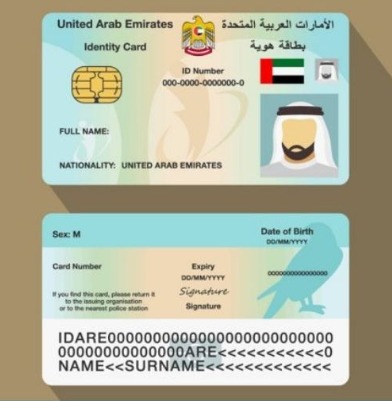
PROXPAT helps with residency requirements, Emirates ID services, medical test coordination, and biometrics guidance.
View Emirates ID Services
We support form filling, document review, attestation, legal translation coordination, application tracking, and renewals.
View Documentation Support
Assistance with UAE tourist visa guidance, documentation, application support, and extension-related guidance where applicable.
Read More — Tourist Visa Services Dubai
Support for freelancers and independent professionals looking to apply for UAE freelance visa options through suitable authorities and jurisdictions.
Read More — Freelance Visa Services Dubai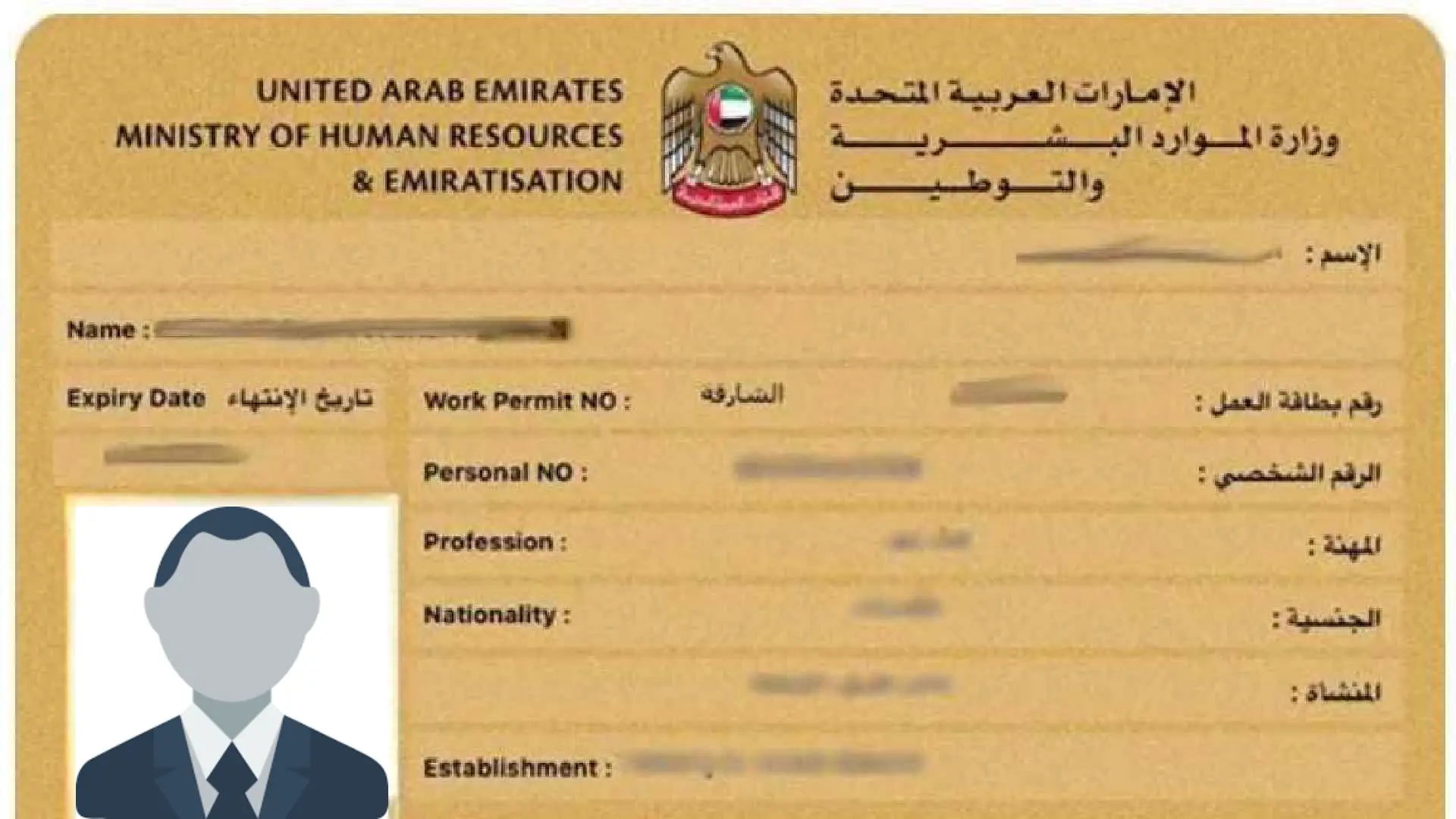
End-to-end coordination for employment visa documentation, entry permits, medical test guidance, Emirates ID, visa stamping, and renewals.
Read More — Employment Visa Services Dubai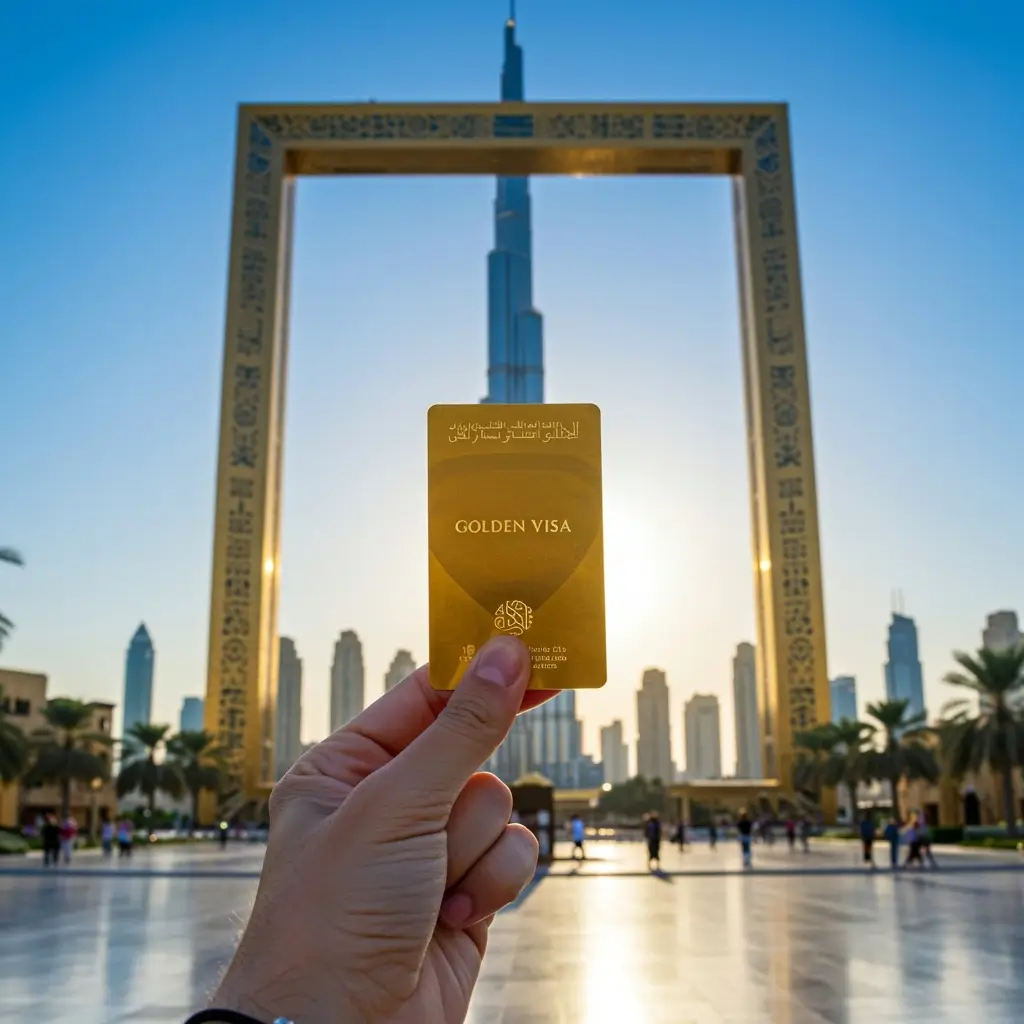
Professional assistance for eligible investors, entrepreneurs, professionals, executives, and specialized categories applying for UAE Golden Visa.
Read More — Golden Visa Services UAEWe understand your visa, residency, attestation, or documentation requirement.
Our team reviews the relevant authority steps, eligibility, and supporting documents.
We help organize passport copies, visa records, photos, IDs, certificates, and company papers.
Forms, document sets, translations, and supporting files are prepared for submission.
Applications are coordinated through the relevant authority, channel, or service route.
PROXPAT monitors progress, updates the client, and helps respond to authority requests.
Final approvals, documents, or service outcomes are handed over with clear next steps.
We help clients stay aware of renewal windows and future documentation needs.
UAE procedures can involve multiple documents, timelines, approvals, renewals, and authority touchpoints. Professional PRO support helps companies and individuals keep these requirements organized and reduces avoidable delays.
Documents vary by service, authority, applicant category, and company status. PROXPAT reviews your exact requirement and confirms the correct checklist before submission.
A UAE employment visa is issued in stages, and each stage sits with a different authority. Knowing the order helps you plan hiring dates and avoid the delays that come from submitting a step out of sequence.
The employer applies to the Ministry of Human Resources and Emiratisation for the work permit, supported by the company's trade licence, establishment card and the signed employment offer. This is the labour side of the file, and it must clear before the immigration steps begin.
Once the work permit is approved, an entry permit is issued so the employee can enter the country for employment, or change status if they are already inside the UAE. Applicants already on a visit or tourist visa usually complete a status change rather than exiting and re-entering.
The employee attends an approved medical centre for the screening required for residence. Results are submitted electronically to the health authority and linked to the visa file, so the file cannot progress until they are released.
The applicant registers for the Emirates ID and gives fingerprints and a photograph at an authorised centre. The Emirates ID is the national identity document and is needed for banking, tenancy, telecom and most government services afterwards.
With the medical and Emirates ID stages complete, the residence visa is issued and linked to the passport. The labour contract is registered on the MOHRE side, and the employee is then formally on the company's sponsorship.
Please note: processing times, government fees and document requirements at every stage are set by the relevant UAE authority and are revised from time to time. PROXPAT prepares and coordinates the file; approval and timing remain the authority's decision.
Cancellation runs in the reverse order of issuance, and both sides have to be closed. Leaving one open is the most common reason an employee is later blocked from a new visa or an employer is blocked from a new work permit.
The work permit and labour contract are cancelled with MOHRE first. The employer normally initiates this, and end-of-service matters are settled as part of closing the employment relationship.
The residence visa is then cancelled with the immigration authority, and the residence stamp in the passport is closed. The original passport is required, and the Emirates ID is surrendered as part of the process.
A grace period applies for remaining in the country after a residence visa is cancelled, and its length is set by current immigration rules rather than by the employer. Overstaying beyond it carries fines. Anyone planning to move to a new employer should confirm the current position before the cancellation is completed, because the rules on grace periods and status changes are updated periodically.
PROXPAT coordinates both sides of a cancellation, tracks the file, and flags anything that would leave a record open. Timelines, fees and grace periods are determined by the relevant UAE authority.
Once a resident holds a valid UAE residence visa, they can apply to sponsor family members. This is one of the most frequent requests we handle, and also the one where applications most often come back for correction.
A resident can typically sponsor a spouse and children, and in defined circumstances parents, with each category carrying its own conditions. Sons are generally sponsorable up to an age limit, after which a different visa route is needed, while daughters can usually be sponsored while unmarried. Sponsoring parents is treated as a separate category with additional requirements.
The sponsor must hold a valid residence visa and Emirates ID, meet the minimum salary threshold set for the sponsorship category, and provide a registered tenancy contract showing accommodation appropriate to the family size. Relationship documents — marriage and birth certificates — must be attested in the country of issue and legally translated into Arabic.
The recurring causes are a salary certificate that does not state the figure in the required format, a tenancy contract that is not registered or is in someone else's name, an attestation chain completed out of order, and a translation that does not match the source document exactly. None of these are refusals on the merits — they are avoidable file problems that cost a resubmission cycle each.
Entry permit, status change or entry on the permit, medical fitness test for applicants above the specified age, Emirates ID biometrics, and visa stamping. Each stage has its own validity window, and missing one restarts part of the sequence.
Please note: salary thresholds, age limits, accommodation requirements and fees for family sponsorship are set by the UAE immigration authority and are revised from time to time. PROXPAT confirms the current requirements against the authority before an application is prepared.
The UAE offers long-term residence visas that are not tied to an employer, which is the practical difference that matters most: the holder is self-sponsored and does not lose their residency when a job ends.
Long-term residence is granted under defined categories that include investors and entrepreneurs, property owners meeting the required investment level, professionals with specialised talent in fields such as medicine, science, engineering, culture and the arts, outstanding students and graduates, and certain frontline and humanitarian roles. Each category has its own evidence requirements and its own approving authority.
These are evidence-led applications rather than form-filling. Depending on the category, the file may need attested qualifications, an equivalency certificate, salary and employment evidence, valuation or title documents, professional accreditation, or a nomination or recommendation from a recognised body. A file that is thin on evidence is the usual reason a nomination does not progress.
Alongside the golden visa, the UAE offers a green residence route for skilled employees, freelancers and self-employed professionals, and a freelance permit route for individuals working independently. For many applicants one of these is a better fit than a golden visa nomination that is unlikely to meet the threshold.
We assess which category a person realistically qualifies under before anything is submitted, assemble and check the supporting evidence, arrange attestation and translation where needed, and coordinate the medical, Emirates ID and stamping stages once approval is issued.
Eligibility criteria, investment thresholds and category definitions for long-term residence are set by the UAE authorities and change from time to time. Approval rests with the authority.
The Emirates ID is the identity document every resident is required to hold, and it is what most other services key off — bank accounts, telecom contracts, tenancy registration, medical insurance, government portals and vehicle registration all depend on a valid card.
The application is submitted alongside the residence visa process. Biometrics — fingerprints and photograph — are captured at an authorised centre, and the card is issued once the visa is stamped. The card number stays with the holder across renewals, which is why it is used as a permanent identifier.
The card expires with the residence visa and must be renewed alongside it. Renewal is not automatic, and there is a limited window after expiry before penalties begin to accrue. Because so many services validate against the card, an expired Emirates ID tends to surface as a blocked transaction somewhere else before the holder notices the expiry itself.
A replacement is applied for through the authority, with a report where the card was lost or stolen. Biometrics usually do not need to be recaptured for a straightforward replacement.
Changes to name, marital status, profession or passport details need to be updated on the record. An Emirates ID that does not match a current passport creates problems at renewal and at any transaction where the two are cross-checked.
Fees, renewal windows and penalty structures for Emirates ID are set by the Federal Authority for Identity, Citizenship, Customs and Port Security and are updated from time to time.
Almost every application that involves a document issued outside the UAE runs through attestation. It is procedural rather than difficult, but the order of steps is fixed, and a chain completed out of sequence has to be redone from the point of the error.
A document issued abroad is typically attested first by the competent authority in the country of issue, then legalised at the UAE embassy or consulate there, and finally attested by the UAE Ministry of Foreign Affairs after arrival. Only once that chain is complete is the document accepted by UAE authorities.
Educational certificates and transcripts for employment, professional licensing and equivalency; marriage and birth certificates for family sponsorship; commercial documents such as certificates of incorporation, board resolutions and powers of attorney for company registration; and police clearance certificates where the process requires one.
Documents not in Arabic generally need translation by a translator licensed by the UAE Ministry of Justice. A translation from an unlicensed translator will be rejected regardless of its quality, and the translation must correspond exactly to the attested source — including names as spelled in the passport, which is a frequent point of failure where transliteration differs between documents.
Attesting a photocopy where the original is required, translating before attestation when the authority wants the attested document translated, using a name spelling that differs from the passport, and allowing a police clearance certificate to age past its validity period before submission.
Attestation procedures and fees are set by the issuing country, the UAE mission and the UAE Ministry of Foreign Affairs, and differ by country of origin.
The employment side of a residence visa runs through the Ministry of Human Resources and Emiratisation for mainland companies, or through the relevant free zone authority. These obligations sit alongside the immigration process rather than inside it, and are where compliance problems usually originate.
MOHRE issues permits across several categories, covering standard employment, transfer from another employer, recruitment of a person already inside the country, part-time work, temporary and project-based work, and permits for juveniles and students within defined limits. The category determines the documents required and what the holder is permitted to do.
The employment contract must be registered with the authority and reflect what was actually agreed, including the term, working hours, leave entitlement and end-of-service arrangements. A registered contract that differs from the offer letter the employee signed is a dispute waiting to happen, and the registered version is what the authority will look at.
Employers within scope must pay salaries through the Wage Protection System, which transfers wages via approved agents so payment can be verified against the registered contract. Non-compliance can suspend the company's ability to issue new work permits, which in practice halts hiring until it is resolved.
Moving between employers requires the labour and immigration sides to be closed with the previous employer and reopened with the new one, in that order. Leaving either side open is the most common reason a transfer stalls, and it is usually discovered only when the new application is rejected.
Please note: work permit categories, contract requirements and Wage Protection System thresholds are set by MOHRE and the relevant free zone authorities and are revised from time to time.
Most companies do not need a full-time PRO. They need someone who picks up the phone when a visa is expiring, a licence needs renewing or an employee is joining or leaving. That is what the monthly package covers: your government paperwork handled continuously for a fixed fee, instead of a separate negotiation every time something comes up.
| Company size | Monthly service fee | What it covers |
|---|---|---|
| Up to 10 employees | AED 700 per month + 5% VAT |
All routine PRO work for up to 10 visas — new visa applications, renewals, cancellations, licence renewal, amendments, and day-to-day government transactions. |
| 11 to 20 employees | AED 1,400 per month + 5% VAT |
The same scope, sized for a larger headcount. |
| More than 20 employees | Quoted on request | Scope and fee agreed against your actual headcount and transaction volume. |
Employment visa applications and renewals, visa cancellations, labour contract and work permit transactions, Emirates ID and medical appointment coordination, trade licence renewal, establishment card renewal, licence amendments, and the running between departments that each of these involves. You send the documents; we handle the process and keep you updated.
Small and mid-sized companies with a steady trickle of visa and licence work; new companies that have just received a trade licence and need their first round of visas processed; and business owners who would rather have one predictable monthly line than an unpredictable series of one-off invoices.
If you only need something done once — a single visa, a cancellation, one licence amendment — there is no need for a retainer. Individual services are charged per transaction.
| Service | PROXPAT service fee | Notes |
|---|---|---|
| Visa service (single transaction) | AED 350 | One employment visa transaction — a new application, a renewal or a cancellation. |
| Family visa — complete process | AED 500 | Per family member, start to finish: eligibility, documents, sponsor file, entry permit, medical, Emirates ID and stamping. Not charged per step. |
| Golden Visa application | AED 1,500 | Eligibility review, document preparation and application follow-up. |
| Domestic worker visa coordination | AED 1,000 | Recruitment runs through the authorised Tadbeer channel and the work permit through MOHRE. We prepare the file and handle the departmental legwork. Minimum family income of AED 25,000 applies — see below. |
| Licence amendment — mainland (DED) | AED 1,500 | Adding a name to the trade licence, MOA amendments and related changes. |
| Licence amendment — free zone | AED 1,000 | Trade licence and immigration card amendments. |
| Labour card renewal | AED 500 | Typing, submission, insurance and labour fee processing. |
All service fees are exclusive of 5% VAT, and exclusive of government fees. Government fees are paid at actual cost.
You do not need a company to use these services. A large part of what we do is for individuals — family sponsorship, Emirates ID renewals, status changes, attestation and translation, and visa cancellation. If you are setting up as a freelancer, see our freelance visa services; if you are sponsoring family, see our family visa services.
These are the amounts the authority charges, separate from our service fee. Most providers will not put these in front of you before you commit; we would rather you can budget honestly from the start.
| Transaction | Indicative government fees | Notes |
|---|---|---|
| Employment visa — applicant already in the UAE | AED 5,100 – 7,400 | Includes quota, offer typing, labour fees, entry permit, status change, medical, Emirates ID and stamping. The upper end applies to Category 3 companies. |
| Employment visa — applicant outside the UAE | AED 3,600 – 5,900 | Lower because no status change is needed. Upper end again reflects Category 3. |
| Employment visa renewal | AED 5,200 – 5,700 | Renewal typing, labour insurance and fees, Tawjeeh, medical, Emirates ID and stamping. |
| Visa cancellation | around AED 400 | Labour cancellation typing, submission and immigration cancellation. |
| Spouse visa — sponsored from outside the UAE | around AED 2,100 | File opening, entry permit, medical, Emirates ID and two-year stamping. |
| Spouse visa — sponsored inside the UAE | around AED 3,300 | Higher because a status change is required. |
| Child visa — from outside the UAE | around AED 1,500 | Entry permit, Emirates ID and stamping. |
| Child visa — inside the UAE | around AED 5,700 | Includes a refundable immigration deposit of roughly AED 3,000, which is returned subject to the authority's conditions. |
| Parent visa — inside the UAE | around AED 3,000 | Entry permit, status change, medical, Emirates ID and stamping. |
| Parent visa — from outside the UAE | around AED 2,100 per parent | Plus file opening where a sponsor file is not already open. |
| Golden Visa — skilled professional route | around AED 2,800 | Application, medical, Emirates ID and visa issuance. |
| Golden Visa — property owner route | around AED 9,600 | Higher because it carries Dubai Land Department and administrative charges alongside the visa costs. |
| Free zone employment visa | around AED 5,000 | Varies by free zone; the figure shown reflects a DMCC two-year visa. |
| Domestic worker visa | AED 9,300 – 10,700 | Includes a bank guarantee of AED 2,000. Lower end applies where the worker is outside the UAE. Permit runs one year for expatriate residents, two years for UAE and GCC citizens. |
| Trade licence amendment — mainland | around AED 3,500 | Adding a name to the licence and MOA amendment. |
| Trade licence amendment — free zone | around AED 2,800 | Trade licence and immigration card amendment. |
| Labour card renewal | around AED 700 | Typing, submission, insurance and labour fees. |
The same transaction costs slightly less submitted through the Tasheel portal than over the counter at a service centre. Online, you pay the federal fees only — MOHRE states its digital service is otherwise free. At a counter, a business centre commission applies, capped at AED 72 per service within the permit package, plus typing, tax and collection charges. The difference is usually tens of dirhams per transaction rather than hundreds, but it is why two quotes for identical work can differ, and it is worth asking any provider which channel their figure assumes. Our employment visa page sets this out in full.
MOHRE classifies companies into three categories based on how they score against its own criteria, including Emiratisation, workforce diversity and compliance history. The category sets the work permit fee, and the published spread is wide: AED 250 for Category 1, AED 1,200 for Category 2 and AED 3,450 for Category 3 on a two-year permit, plus a AED 50 application fee that applies to all three.
That is a difference of AED 3,200 per employee between the top and bottom category. Across ten hires it is AED 32,000, on the same permit for the same job. If your labour fees look higher than you expected, this is almost always why — and category is something a company can work on rather than simply accept. See our employment visa services for the full breakdown.
Timelines are the question we are asked most, and the honest answer is that each stage has its own clock. Here is the full sequence, so you can see where the days actually go.
| Stage | Applicant inside UAE | Applicant outside UAE |
|---|---|---|
| Quota approval or modification | 1 – 5 working days | 1 – 5 working days |
| Offer letter typing and signing | 1 working day | 1 – 2 working days |
| Labour insurance and fee payment | Same day | Same day |
| Entry permit issuance | 2 – 3 working days | 3 – 5 working days |
| Status change | Same day | Not required |
| Medical fitness test | 2 working days | 1 – 3 working days |
| Emirates ID application | 4 working days | 1 – 3 working days |
| Visa stamping | 2 working days | 3 – 5 working days |
| Tawjeeh session (where required) | Same day | Same day |
That the file is complete and consistent when it is submitted, that the company has valid quota and an active establishment card, and that no external approval is required for the job title. A missing attestation, an expired passport, a name spelled differently across documents, or a quota that has run out will each add a cycle — and those, not the authority, are what usually make a visa take longer than expected.
Please note: processing times are set by the relevant authority and vary with workload and with your specific case. They are shared here as a realistic guide, not as a commitment.
For an employment visa: passport copy valid for the required period, photograph against a white background, current UAE visa page or entry stamp where the applicant is already in the country, signed job offer, attested educational certificate where the role is classified as skilled, and the employee's mobile number and email. Company-side documents — trade licence, establishment card and quota — we hold on file once you are set up with us.
Before anything else, one number decides whether this is possible at all — and it is the reason we turn some enquiries away rather than take the fee.
This surprises most people. The duration is not the same for everyone: two years for UAE and GCC citizens, one or two years by choice for diplomats and Golden Visa holders, and one year for expatriate residents. If you hold an ordinary residence visa, budget for renewing annually rather than every two years.
The worker must be at least 18 and under 60. There is a narrow exemption to the upper age limit where the worker is already inside the country and their residence visa was cancelled by a domestic-labour employer no more than three months earlier. Their passport must be valid for at least three months, they must not already hold a valid work permit, and they must be covered by an adequate insurance policy recorded on the employer's file.
One more that catches larger households out: an employer already employing more than five domestic workers must submit a written explanation setting out why an additional worker is needed.
The insurance policy is paid first, then an employer's file is opened and the work permit and entry permit applied for. Once federal fees are paid, an electronic link is issued for approving either the standard package contract or a direct recruitment contract. MOHRE verifies the file, reports any shortfall for completion, and on approval forwards it to the immigration authority. The electronic visa is then emailed to the employer.
Recruitment itself runs through the authorised Tadbeer channel. Our role is the file and the legwork — preparing documents, tracking the application, and dealing with shortfall notices — at AED 1,000 plus 5% VAT, separate from government fees.
Please note: income thresholds, age limits, permit durations and documentary requirements for domestic worker permits are set by MOHRE and are revised from time to time. Confirm the current position before relying on it.
PROXPAT provides professional PRO services in Dubai and across the UAE for companies, entrepreneurs, investors, employees, freelancers, families, and professionals. Our support covers UAE visa services, Emirates ID services, residency visa services, document attestation, legal translation coordination, government documentation, immigration support, corporate PRO services, renewals, cancellations, application tracking, and organized authority coordination. Whether you need individual visa support or ongoing corporate PRO services, PROXPAT helps keep your requirements clear, compliant, and professionally managed.
From visa applications to documentation, attestation, residency, and Emirates ID services, PROXPAT provides professional PRO services to keep your personal and business requirements organized.